Shalom from Zion.
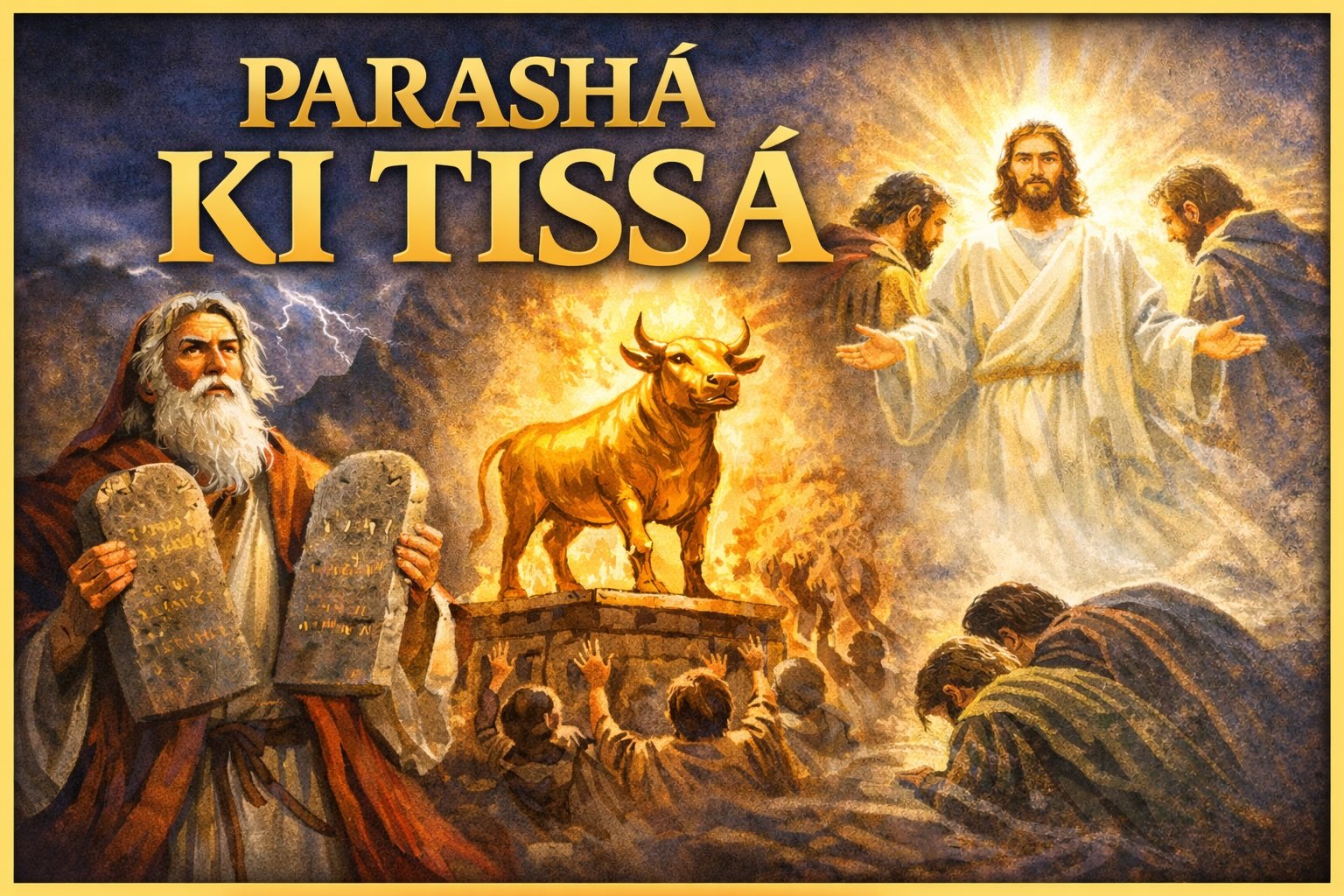
Beloved brothers and sisters in the faith, this deep study on the prophetic pattern of covenant — seen through the shedding of blood in key biblical events — shines a powerful light on the spiritual forces at work in God’s redemptive plan.
This teaching was birthed from a heartfelt question raised by a dear sister in Yeshua, Maria Nidiane de Carvalho from Portugal, right on the eve of Passover — the biblical feast most closely tied to the shedding of blood for atonement, redemption, and deliverance. I thank the Eternal One for her prompting, because it gave me the joy of diving once again into the rich typology of Scripture — not based on human opinion, but on careful, prayerful study of God’s Holy Word.
May this study draw us even deeper into love for His Eternal Word. May it help us understand that only the perfect, once-for-all sacrifice of Yeshua the Messiah can truly set us free from every pattern of bondage. As we renew our minds in Him who was perfect in all things and loved us even while we were still sinners, let our hearts overflow with gratitude.
Table of Contents
ToggleThe Mystery on the Road: Who Did God Seek to Kill?
“And it came to pass on the way, at the lodging place, that the LORD met him and sought to kill him. Then Zipporah took a sharp stone and cut off the foreskin of her son, and cast it at Moses’ feet, and said, ‘Surely you are a husband of blood to me!’ So He let him go. Then she said, ‘You are a husband of blood!’ — because of the circumcision.”
Exodus 4:24-26 (NKJV)
This mysterious episode that happened “on the way” is one of the most intense and puzzling passages in the Torah. The text says that YHWH met Moses and “sought to kill him,” but it does not clearly identify who the target of God’s action was. This ambiguity is not a flaw in the story — it is a profound theological tool.
Traditional readings assume God was targeting Moses himself. However, when we look at the broader context — especially the verses right before this moment — a deeper possibility emerges: the divine judgment may have been aimed at Moses’ firstborn son. This sets up a pattern that will be fully revealed at Passover.
Exegesis
The Hebrew verb וַיְבַקֵּשׁ הֲמִיתוֹ (vayevakesh hamito) means “he sought to kill him.”
The masculine singular suffix “-o” is grammatically ambiguous — it could refer to Moses or to his son.
This beautiful ambiguity opens the door to a wider theological reading. The focus is not just on the individual, but on the entire covenant structure of the family.
Central Point:
This story is not only about Moses — it is about his household and whether the covenant of God was truly established in his home.
Israel, God’s Firstborn, and the Principle of Measure for Measure
“Then you shall say to Pharaoh, ‘Thus says the LORD: Israel is My son, My firstborn. So I say to you, let My son go that he may serve Me. But if you refuse to let him go, indeed I will kill your son, your firstborn.’”
Exodus 4:22-23 (NKJV)
Right before the incident on the road, God makes a foundational theological declaration:
“Israel is My son, My firstborn” (בְּכֹרִי — bechori).
This statement introduces the powerful biblical concept that the firstborn represents the covenant itself. The firstborn carries authority, inheritance, and identity.
Then God declares the principle of judgment:
“If you refuse to let him go, I will kill your son, your firstborn.”
Here we see the principle of מידה כנגד מידה (midá keneged midá) — measure for measure.
Exegesis
- בְּכוֹר (bechor) = firstborn, first, chief
It speaks of priority, initial strength, and representation of the whole.
Application to Moses’ Story
If Moses hesitates or fails to obey his calling, he falls under the very same principle that would later fall upon Egypt.
Even the deliverer is not above the covenant.
Circumcision: The Blood of the Covenant That Stops Judgment
Key Texts: Genesis 17:10–14 and Exodus 4:25
Circumcision is the physical sign of the Abrahamic covenant. To be uncircumcised meant to be cut off from God’s people:
“The uncircumcised man child… shall be cut off from his people; he has broken My covenant.”
Genesis 17:14
In the incident on the road, Moses’ son had not yet received this sign. He was therefore vulnerable to divine judgment.
Zipporah took immediate action. She performed the circumcision, shedding blood, and declared:
Exegesis
- מוּל (mul) = to circumcise
- דָּם (dam) = blood
- חָתָן (chatan) = bridegroom, covenant partner
Theological Insight
The blood of circumcision served as:
- A sign of belonging
- Protection from judgment
- Restoration of covenant relationship
Beloved, the shedding of blood has always been God’s chosen way to seal covenant and turn away wrath. It points us forward to the ultimate blood that would one day be shed for us all.
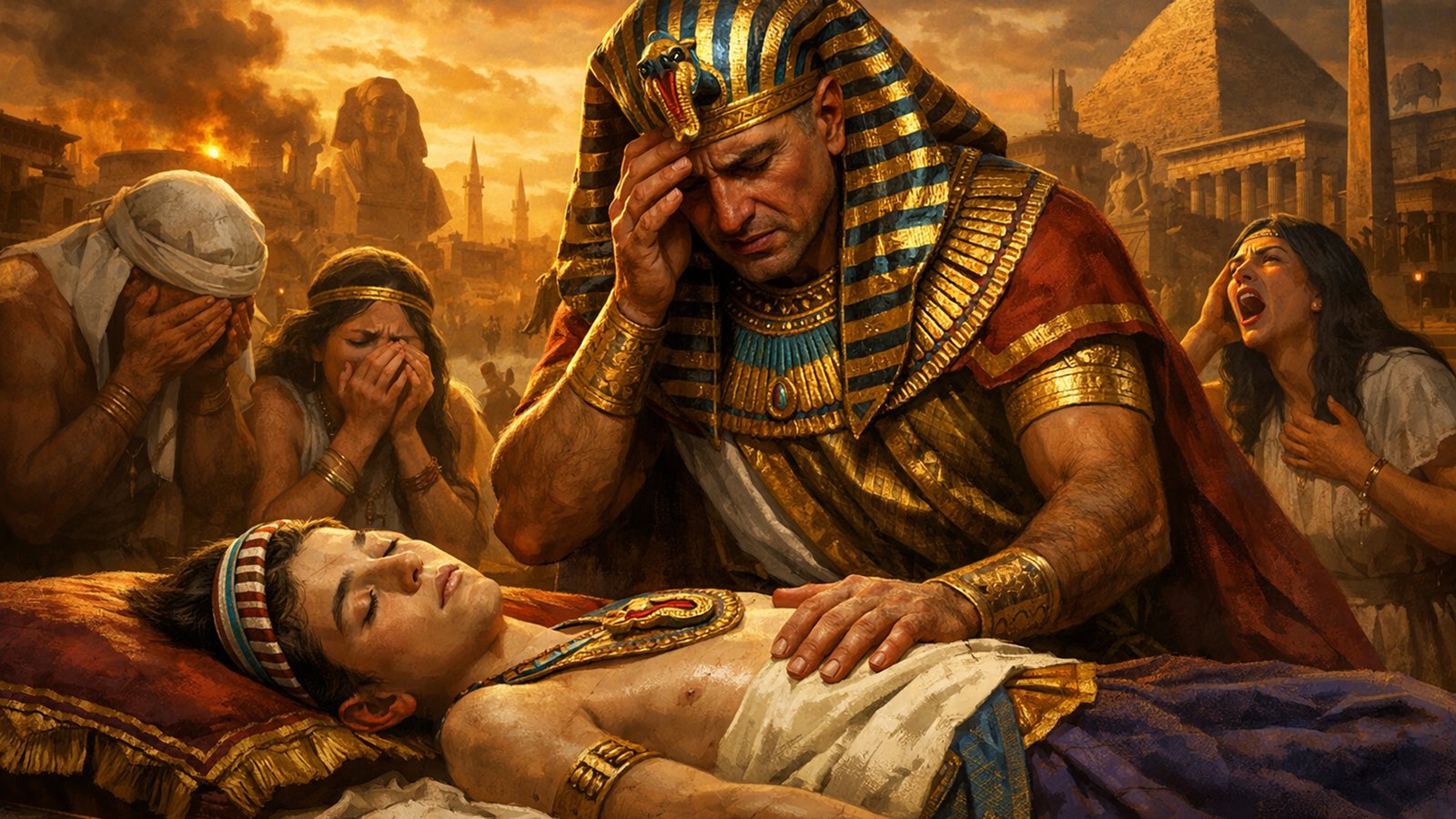
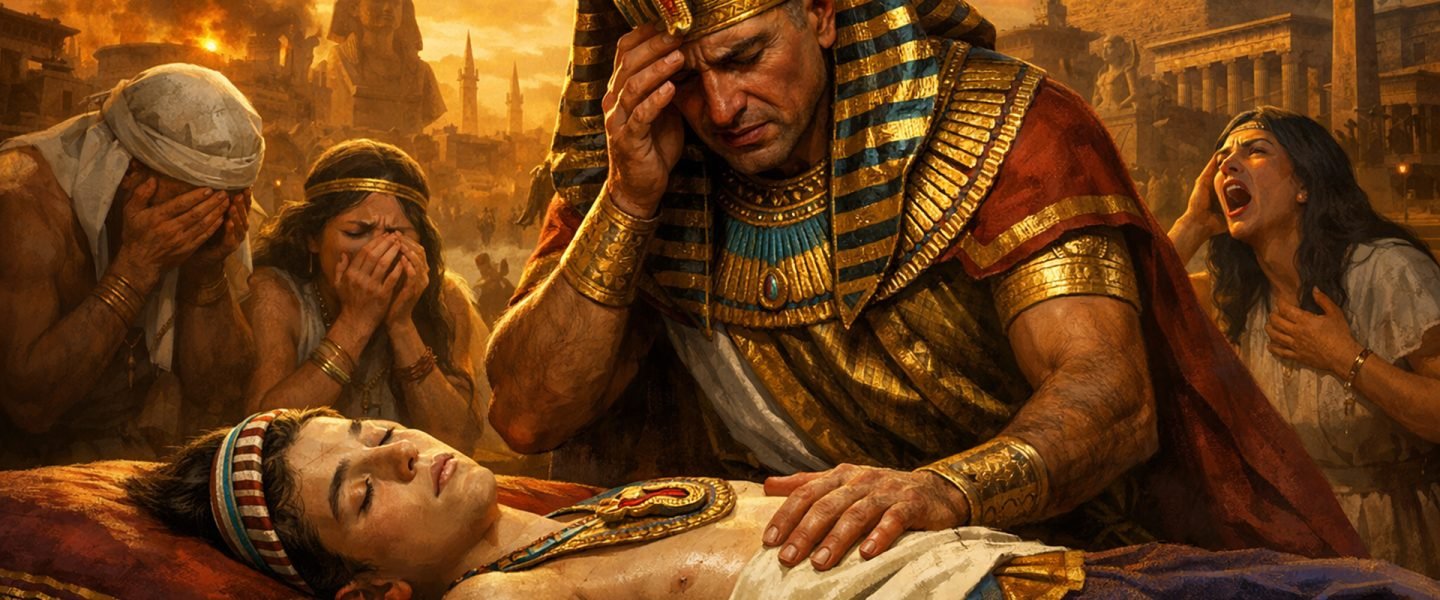
The Passover in Egypt: Judgment on the Firstborn
Key Text: Exodus 12
The Passover is the full manifestation of the principle introduced in Exodus 4.
The blood of the lamb was applied to the doorposts — a visible sign that marked those who belonged to the covenant. When the Lord saw the blood, He passed over.
Exegesis
- פֶּסַח (pesach) = to pass over, to spare
- דָּם (dam) = blood
The Pattern
- Threat of death
- Focus on the firstborn
- Blood as the distinguishing sign
- Selective judgment
Exodus 4 is the prototype of the Passover. What happened in one family on the road became the pattern for an entire nation.
Gilgal: Circumcision and Covenant Renewal in the Promised Land
Key Text: Joshua 5:2–10
As Israel finally entered the Promised Land, they experienced a fresh, collective circumcision. This happened right before they celebrated Passover in the land.
Exegesis
“Today I have rolled away the reproach of Egypt from you.”
Joshua 5:9
The Repeated Pattern
- Circumcision
- Blood
- Removal of shame
- Passover
- Entrance into the promise
Gilgal was a re-enactment of the Exodus — but now at a new stage in God’s redemptive story.
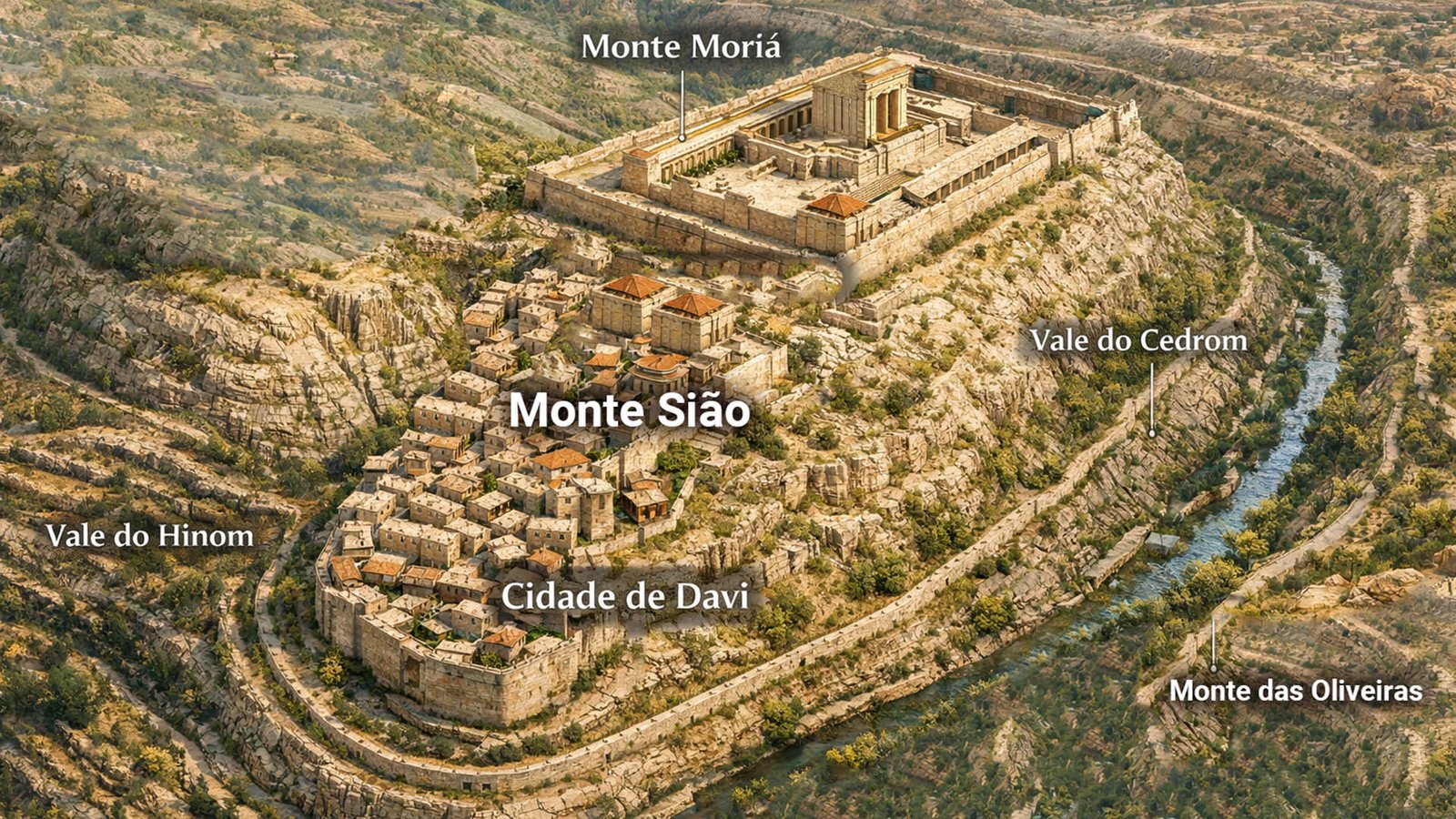
Jerusalem and Judgment: David’s Census and the Plague
“Again the anger of the LORD was aroused against Israel, and He moved David against them to say, ‘Go, number Israel and Judah.’”
2 Samuel 24:1
David’s sin in numbering the people brought a terrible plague upon Israel. Yet once again, the pattern emerges: judgment was stopped at the place of sacrifice and blood — on the threshing floor of Araunah, which later became the site of the Temple.
The pattern continues through the Assyrian threat against Jerusalem (2 Kings 19:35; Isaiah 37:36), where God’s judgment fell on the enemy instead, sparing His people.
The Ultimate Fulfillment: The Blood of Yeshua the Messiah
In the New Testament, we see this prophetic pattern reach its glorious climax.
When Pilate washed his hands, the crowd cried out:
“His blood be on us and on our children!”
Matthew 27:25
This was not a random statement. It echoed the ancient Torah pattern: blood as either judgment or redemption, depending on how it is received.
The blood of the righteous Lamb, Yeshua, became the once-for-all atonement. For those who reject it, it brings accountability (seen in the judgment that fell on Jerusalem in 70 A.D., as foretold by Jesus in Luke 19:41-44). But for those who receive it by faith, it brings full redemption and freedom.
As Romans 11 reminds us, a partial hardening has come upon Israel until the fullness of the Gentiles comes in — and then “all Israel will be saved.” God’s covenant faithfulness never fails!
Dear friend, the blood of Yeshua breaks every cycle of judgment. It is the ultimate Passover Lamb. It is the final circumcision of the heart. It is the perfect measure of grace poured out where judgment was deserved.
Wherever you are today — whether you feel the weight of sin, the threat of spiritual attack, or simply a deep hunger for more of God — run to the blood of Jesus. Apply it by faith to the doorposts of your heart. Let the Lamb who was slain for you become your covering, your protection, and your everlasting covenant.
May the Lord open our eyes to see these beautiful patterns throughout Scripture. May we fall more deeply in love with the One who loved us and gave Himself for us.
To Him who loved us and washed us from our sins in His own blood — to Him be glory and dominion forever and ever. Amen.
Yours servant, Miguel Nicolaevsky